Ever spent a weekend afternoon scrubbing grout lines in your shower? Most homeowners know that moment when they notice the discoloration creeping in, the tiny cracks forming or the dark spots that won’t shift no matter how much effort you put in. Traditional tiled surfaces with grout lines have been the standard for decades, but they come with ongoing maintenance that many people would rather avoid.
Grout deteriorates and on moisture heavy environments like bathrooms and laundries, it stains, cracks, and develops mould. These aren’t cosmetic issues you can ignore and once grout fails, water penetrates behind surfaces, potentially causing structural damage that’s far more expensive to repair than the original installation.
This is why grout free design has moved from niche preference to practical solution. When you eliminate grout lines entirely, you remove the primary pathway for water ingress and the most labor-intensive cleaning task in your home. The approach delivers both immediate visual impact and long-term functional benefits.
Why Grout-Free Materials Work Better in Wet Areas
The fundamental problem with grout is that it’s porous. No matter how well it’s sealed initially, grout absorbs moisture, soap residue and organic matter over time. In a shower that’s used daily, this creates an environment where mould and mildew establish themselves in weeks, not months. Regular cleaning slows the process but doesn’t stop it.
Grout free surfaces eliminate these vulnerabilities as without hundreds of joints where water can settle, moisture runs off cleanly and dries faster. This reduces the ongoing maintenance burden significantly. A quick wipe down with warm water and mild soap handles most cleaning needs, removing the requirement for specialised grout cleaners, bleach treatments or the physical effort of scrubbing between tiles.
For families managing busy schedules, this translates to reclaimed time. Instead of dedicating hours to deep cleaning grout lines, you maintain these spaces with the same effort you’d use on a kitchen benchtop.
Wet Wall Panels, Continuous Surfaces That Perform
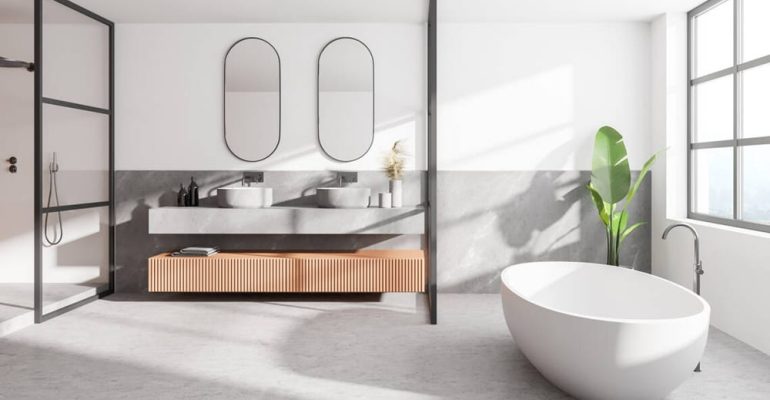
Wet wall panels have become the preferred wall covering for modern bathrooms and laundries. These large format panels cover entire walls without breaks, creating continuous surfaces that look intentional and refined. The panels interlock securely to form watertight seals, preventing water from reaching the substrate beneath.
The construction typically involves a moisture resistant core with a protective finish layer. This makes them naturally resistant to mould and mildew, while their smooth surface prevents buildup of soap scum and grime. Maintenance involves wiping down the surface, there are no recessed grout lines to clean or reseal.
Installation requires precision though as the panels must be measured, cut and fitted to ensure proper alignment and water resistance. When installed correctly by experienced renovators, they provide decades of reliable performance without the gradual deterioration you see with traditional tiling. The range of available finishes has expanded considerably, from subtle stone look textures to sleek contemporary patterns, allowing these functional surfaces to complement different design preferences.
Luxury Vinyl Plank Flooring, Provides Durability Without Compromise
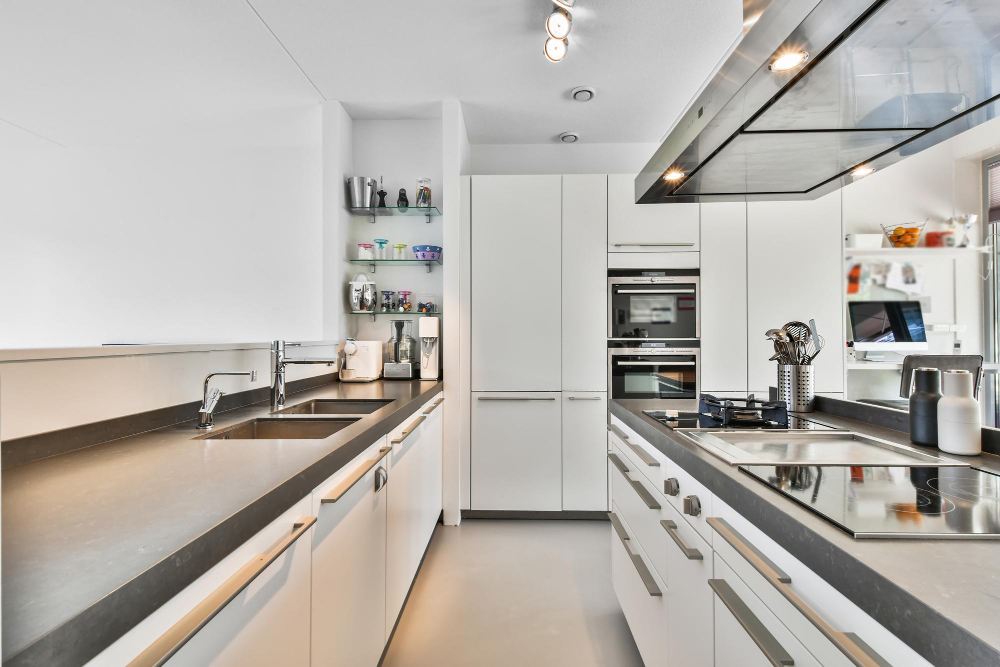
Flooring in kitchens and laundries faces constant challenges such as spills, dropped items, heavy appliances and regular foot traffic. Luxury vinyl plank (LVP) flooring addresses these demands through multi-layer construction that combines waterproof properties with impact resistance.
The waterproof core prevents swelling and warping when liquid sits on the surface, which makes LVP particularly suitable for areas around washing machines, dishwashers and kitchen sinks. Unlike timber, which requires immediate cleanup of spills, LVP tolerates moisture exposure without permanent damage.
Modern LVP replicates natural materials with remarkable accuracy as the photographic layer captures wood grain patterns and colour variations, while the textured wear layer adds tactile realism. This allows you to achieve the warm aesthetic of timber flooring in spaces where solid wood would be impractical or require excessive maintenance.
The click-lock installation systems used in quality LVP products create tight seams without adhesive in many applications, reducing installation time and mess. Once laid, the surface is completely grout free and smooth, with no joints to trap dirt or moisture. The wear layer protects against scratches and scuffs, maintaining appearance even in high traffic areas.
Modern Shower Bases For a Clean & Functional Design
Traditional tiled shower floors present several challenges as multiple grout lines create numerous potential failure points for water ingress. Uneven surfaces can trap water, leading to standing puddles and slower drying times. The many joints require careful, ongoing maintenance to prevent leaks.
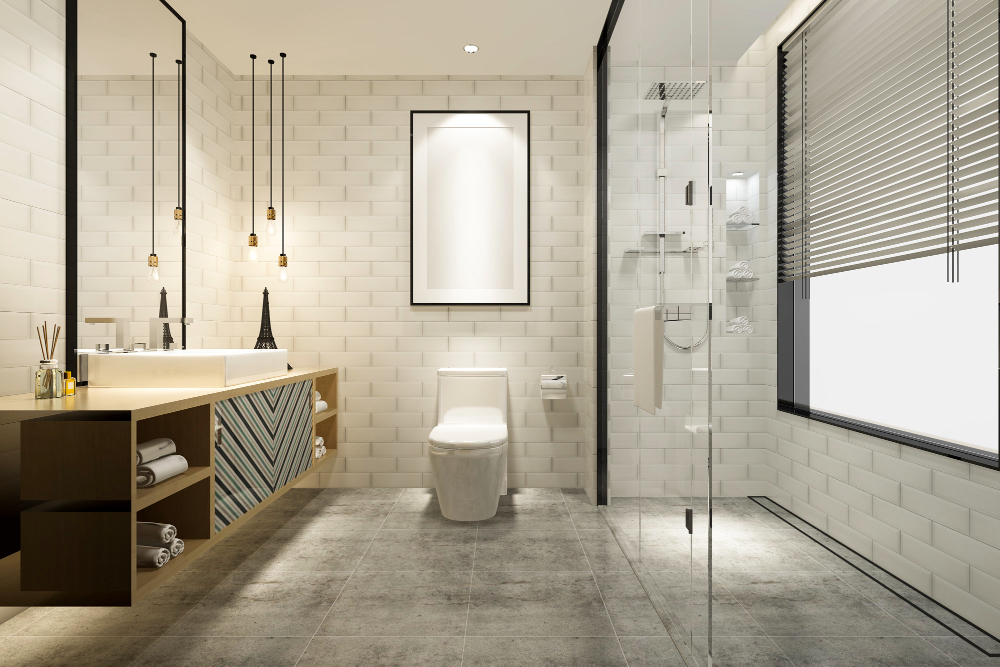
A modern shower base solves these issues through single piece construction. Installed as one waterproof unit, the base channels water directly to the drain through a gradual slope. Additionally many designs sit flush with the surrounding floor, creating a seamless transition that improves accessibility while maintaining contemporary aesthetics.
The solid construction means fewer components that can fail over time. There’s no grout to crack, no tiles to come loose and no multiple seams where leaks might develop. When combined with grout free wall panels, the entire shower enclosure becomes significantly easier to maintain and less prone to water damage.
Shower bases are available in various materials, sizes and colours, allowing them to integrate with different bathroom layouts and design schemes. For households with young children or older family members, the flush mount installation removes trip hazards while the slip resistant surfaces improve safety during daily use.
Planning Your Renovation
Transitioning to grout free materials requires careful planning and skilled execution. Product selection must account for your specific space, usage patterns and aesthetic goals. Proper installation determines whether these materials deliver on their performance promises or develop issues down the track. And this is where we come in! We work with homeowners to assess their spaces, recommend appropriate materials, and execute installations that meet both functional requirements and design expectations.
Whether you’re addressing failing grout in an older bathroom or planning a complete kitchen renovation, these materials offer practical advantages that become more valuable over time.